


Engineered Beaches: How Are We Dealing with Beach Erosion Along the East Coast Shore?
Beach erosion is real, and its effects are becoming increasingly visible along the East Coast. A beach is more than just a destination for recreation; it is a natural defense system formed by deposits of unconsolidated sediment ranging from boulders to sand, shaped over time by wind and wave processes. These environments are constantly changing, but in recent years, the rate of erosion has become alarming due to stronger storms, sea-level rise, and human interference with natural sediment movement.
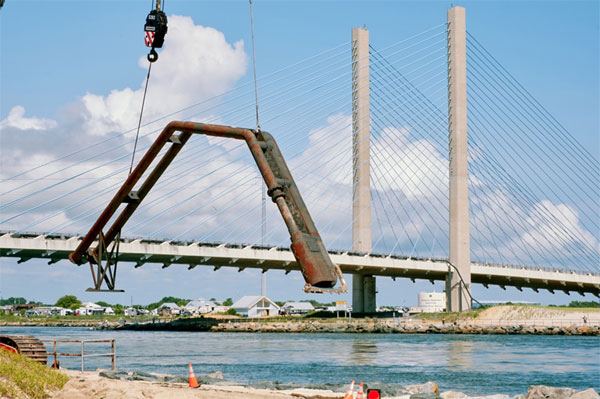
To combat this, engineers and coastal scientists have developed beach nourishment programs that replace sand lost to erosion to rebuild dunes and maintain storm protection. The U.S. Army Corps of Engineers often manages these projects in partnership with state and local governments. While they have proven successful in restoring shorelines, recent storms have shown that these efforts must be ongoing to remain effective.
Earlier this fall, Ocean City, New Jersey, declared a local state of emergency after a powerful nor’easter on October 12–13 severely eroded dunes and beaches from First to 13th streets. The storm swept away large portions of the protective dune system, leaving the coastline exposed ahead of the winter storm season. Mayor Jay Gillian explained that the declaration could help legislators secure funding for a scheduled Army Corps beach replenishment project. City officials also met with U.S. Representative Jeff Van Drew to coordinate a response to the sand loss with the Army Corps of Engineers. In the meantime, the city awarded a professional services contract to expedite the permitting process for emergency restoration work before the summer season. State officials reported that the same storm caused significant beach erosion across the shoreline from southern Ocean County to Cape May County, including North Wildwood, Atlantic City, and Strathmere, underscoring how widespread and urgent the issue has become.
In a related report from the Ocean City Sentinel, the City Council approved both the local disaster declaration and a $30,200 engineering contract with ACT Engineers, Inc. to prepare beach nourishment permits. This proactive move reflects concerns about federal funding delays. Junetta N. Dix, Director of Environmental Services for ACT, emphasized that regular beach nourishment is essential to maintaining the shoreline and preventing wave breaching, which could result in property damage and loss of life. While next year’s federal funding has been promised, it remains uncertain, and Ocean City wants to be ready to take independent action if needed. The proposed permits would be valid for ten years, giving the city flexibility to respond quickly to future erosion events.
Beach nourishment remains one of the most effective ways to strengthen coastal resilience along the East Coast. These projects not only restore recreational beaches but also protect infrastructure, ecosystems, and communities from flooding and storm surge. However, the challenges of maintaining these engineered systems are growing, from securing consistent funding to dealing with more frequent and intense storms. Coastal engineering is not a one-time solution but an ongoing process that requires cooperation between federal, state, and local partners, as well as sustained investment in long-term planning and adaptive management.
As storms become more frequent and severe, engineered beaches will continue to play a critical role in protecting shorelines. Communities like Ocean City are demonstrating the importance of preparedness, collaboration, and local initiative in addressing these challenges. The work of engineers, scientists, and policymakers will determine how well we adapt to the changing coastline and safeguard the places we call home. Beach erosion is real, and the tide waits for no one.


